Yōkai Mystery: Japan’s Unexplained Phenomena Examined
Yōkai are figures of strange appearance and mysterious power, but the term covers a broad range of supernatural beings and phenomena. They are also a…
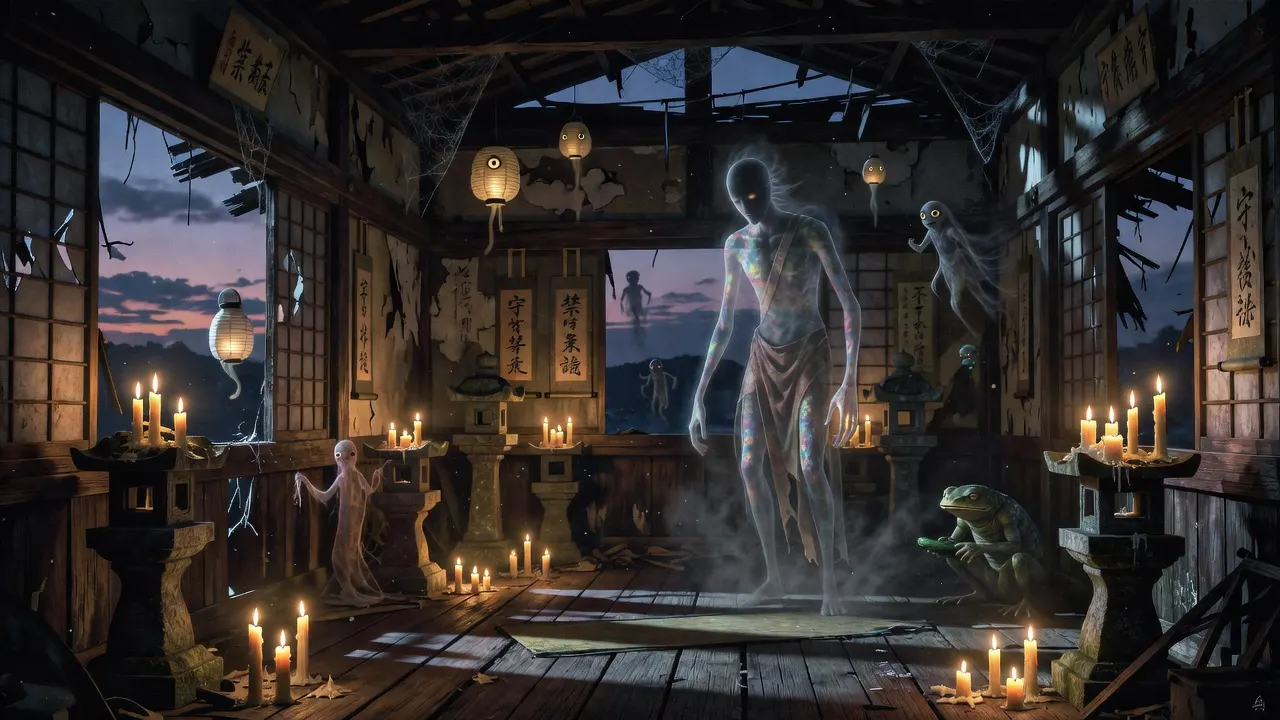
Yōkai are figures of strange appearance and mysterious power, but the term covers a broad range of supernatural beings and phenomena. They are also a subject of folklore research: records bring together stories, essays, folklorists’ reports and oral accounts. That range matters when approaching reports of unexplained events.
Key facts
- The Nichibunken database gathers records about yōkai and mysterious phenomena from across Japan. [F4]
- Yōkai are described as a diverse class of supernatural creatures in Japanese mythology. [F20]
- Contemporary Japanese investigators often treat yurei and yokai as overlapping categories, logging reports through apps and dedicated hotlines.
Yōkai has a broad and changing meaning
The term yōkai does not name one creature with a fixed appearance. A glossary hosted by the International Research Center for Japanese Studies defines it as something strange in appearance, with unknowable or mysterious powers. It also gives the word an adjectival sense: strange, mysterious or abnormal. [F2]
A story may concern a supernatural being, a strange occurrence or an account interpreted through local beliefs. The database presents yōkai alongside mysterious phenomena, rather than limiting its subject to a single monster category. [F4, F6]
Japanese folklore also presents yōkai as varied in appearance, personality and role. Familiar examples named in one overview include oni, tengu, kitsune and tsukumogami. The same account describes these beings as offering glimpses into questions about life and human experience. [F18, F19]
These descriptions are cultural material, not a method for confirming a supernatural cause. The database’s purpose is to collect and organise cases, drawing on folklore studies and related investigations. Reading a recorded account as evidence of what someone reported is different from treating its explanation as established fact. [F6]
Records preserve accounts, not proof of the supernatural
The Nichibunken collection brings together material gathered nationwide. Essays, folklorists’ reports and oral accounts by ordinary people help preserve how mysterious events have been described across different periods. The collection’s time span reaches from the late Edo period to the present. [F4]
Those record types offer different ways into a story. An oral account preserves a person’s telling; a folklorist’s report reflects a researcher’s documentation; an essay can present analysis. The available description identifies these materials but does not claim that each account has been independently verified. [F4]
Research itself has a history. Its overview introduces terms including yōkai, oni, demon and god. [F1, F6]
Interpretations have also changed. A history of the subject describes a shift in focus from yōkai themselves towards the person who sees them, alongside the spread of Western medicine in Japan. It also notes that some people came to view yōkai as delusions caused by a diseased nerve. [F28, F31]
That history does not settle every account. It shows why careful readers should keep the reported experience separate from later explanations of it. Cultural meaning, personal belief and attempts to explain a strange event can sit beside one another without becoming the same claim. [F28, F4]
Stories reflect culture as well as fear
Yōkai stories are not only accounts of danger. A folklore overview says the beings have inspired legends, art and modern media, and that traditional paintings, woodblock prints and stories often use them as metaphors for social challenges, natural phenomena or the human psyche. [F23, F24]
That symbolic role helps explain why a yōkai tale may carry more than one meaning. A frightening figure can express anxiety, while a whimsical one can make the supernatural less threatening. The same source describes yōkai as embodying both terrifying and playful aspects of the supernatural. [F21]
One account links the idea of yōkai to ancient animistic beliefs, in which natural elements were thought to possess spiritual qualities. This offers a cultural context for stories that connect mysterious beings with the natural world; it does not mean every tale has the same origin or interpretation. [F22]
Modern interest has also renewed attention to the tradition. A yōkai boom in the late twentieth century, led by manga artist Shigeru Mizuki, brought these stories to a new generation. Such retellings show that yōkai remain part of popular culture as well as historical folklore. [F10]
For readers examining a mystery, cultural context can clarify what a story means to the people who tell it. It cannot, by itself, establish what caused an event. Keeping those questions apart allows both the tradition and the limits of the evidence to remain visible. [F9, F4]
What this means for you?
When you encounter a yōkai story, begin by identifying what kind of claim it makes. Is it a traditional tale, a person’s recollection, a researcher’s account or a modern retelling? The Nichibunken database includes several of these forms, so treating them as interchangeable can blur what the record actually contains. [F4]
If you are a reader looking into an account of a strange sighting, write down the reported experience separately from the explanation attached to it. Note what the source says was seen or heard, then mark whether the yōkai interpretation belongs to the witness, a storyteller or a later commentator. This is a practical reading method, not a claim that any particular report is true.
Next, check how the source presents its material. A folklore record and a piece of fiction may both use supernatural beings, but they do not make the same kind of claim. The database’s stated range includes essays, field reports and ordinary people’s oral accounts, while folklore also appears in art and stories. [F4, F23]
Keep interpretation open without treating every explanation as equally supported. The history of yōkai includes changing ways of viewing the beings and the people who report them. That history gives a reason to ask how an account was understood in its context, rather than imposing one explanation on every story. [F28, F31]
Finally, respect the people and communities attached to a tale. You can examine its language, cultural role and evidence without mocking belief or presenting an unverified supernatural explanation as fact. A careful account can preserve the mystery while being clear about what is known and what remains interpretation.
What to do now?
- Start with the source. Identify whether you are reading a recorded account, an essay, a folklorist’s report or a creative retelling. The Nichibunken database describes all three record forms alongside essays. [F4]
- Separate observation from interpretation. Keep a person’s description of an event distinct from the claim that a yōkai caused it. This makes your notes clearer without dismissing the account.
- Check the terminology. Look at how the source uses yōkai and related words; the Nichibunken overview introduces terms including oni, demon and god. [F6]
- Compare context, not just plot. Consider whether a story is being used as folklore, art or a metaphor, since yōkai can appear in each of those forms. [F23, F24]
- Describe uncertainty plainly. Say what the source records, what it suggests and what it cannot establish. This keeps a compelling mystery from becoming an unsupported claim.
Sources
- origamijapan.net/understanding-yokai-japan
- en.discoverjapan-web.com/article/161636
- yokaidb.com/yokai-00951-2
About this page
Written with AI assistance from the sources listed above, then checked by automated fact, source, repetition and quality checks before publishing.
Facts and links checked on 3 November 2026. Summarises the sources linked above; check the linked source for the latest version.
How we researched this: we compiled this guide from the official and independent sources listed above, and checked the facts on the date shown. Our editorial policy explains how we choose and check sources.